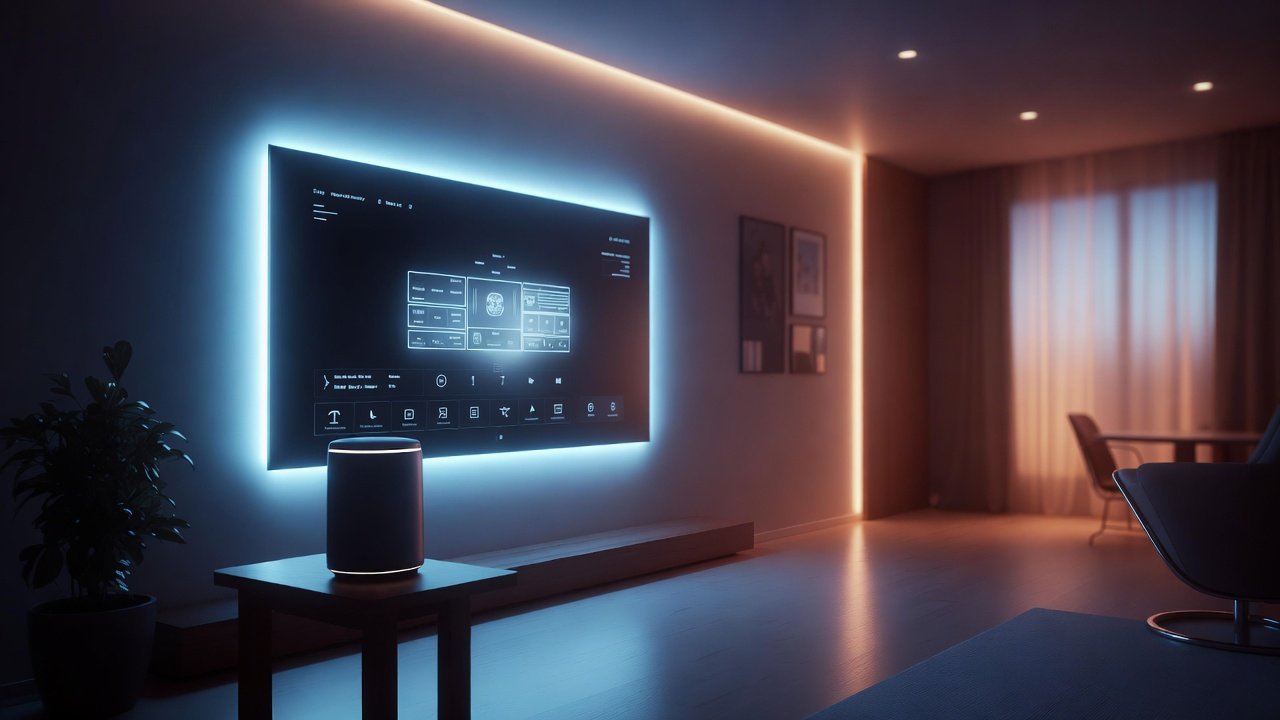

Smart TVs have become the center of modern home entertainment. With streaming services, gaming consoles, and internet connectivity built directly into televisions, the TV is no longer just a screen — it is the heart of a connected smart home.
However, many people only use a small fraction of what their smart TV ecosystem can actually do.
By adding the right smart home devices, you can turn your living room into a fully automated entertainment hub. Lights can dim automatically when a movie starts, voice assistants can control playback, and smart plugs can power devices on or off without touching a remote.
In this comprehensive guide, we will explore:
- The best smart home devices for TV setups
- How smart devices improve your entertainment experience
- Voice assistant integration with TVs
- Smart lighting for immersive viewing
- Smart plugs and power automation
- Smart home hubs and streaming control
- Setup tips for a fully connected entertainment system
Whether you want a simple smart TV upgrade or a fully automated home theater, this guide will help you choose the best devices.
Why Integrate Smart Home Devices with Your TV
Most people think smart homes are mainly about thermostats or security cameras. But the living room is actually one of the best places to build a smart home ecosystem.
When smart devices connect with your TV, they create a more immersive and convenient entertainment experience.
Benefits include:
- Hands-free voice control
- Automated lighting for movies
- Easier device management
- Energy savings
- A cleaner, more organized setup
Instead of juggling multiple remotes, you can control everything with a single voice command or smartphone app.
Voice Assistants for Smart TVs
Voice assistants are one of the most powerful additions to a TV setup.
Instead of manually searching for content or adjusting settings, you can simply speak commands.
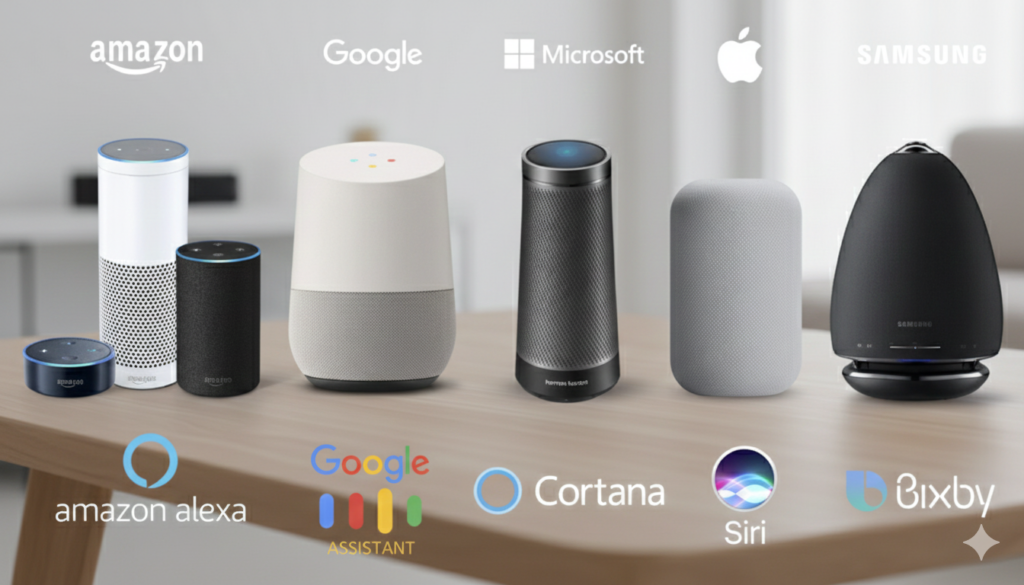
Common voice assistants include:
- Amazon Alexa
- Google Assistant
- Apple Siri
These assistants can control:
- TV power
- Volume
- Streaming apps
- Smart lights
- Smart plugs
- Media playback
Let’s explore the best options.
Amazon Echo Devices
Amazon Echo devices are among the most popular smart home products in the world.
When paired with compatible TVs or streaming devices like Fire TV, Echo speakers allow full voice control of your entertainment system.
Examples include:
- Echo Dot
- Echo Show
- Echo Studio
With Alexa integration, you can say commands like:
“Alexa, turn on the TV.”
“Alexa, play Netflix.”
“Alexa, dim the lights.”
The Echo Studio is especially popular because it also delivers high-quality audio.
Google Nest Speakers
Google Nest smart speakers offer powerful integration with Android devices and Google services.
Popular models include:
- Nest Mini
- Nest Audio
- Nest Hub
These speakers work seamlessly with:
- Android TVs
- Chromecast devices
- YouTube
- Google streaming services
Voice commands allow you to control:
- Streaming playback
- Volume
- YouTube videos
- Smart home devices
Google Assistant is also extremely powerful for searching content quickly.
Apple HomePod
For Apple users, the HomePod provides deep integration with the Apple ecosystem.
When paired with Apple TV, HomePod can function as:
- A smart speaker
- A voice assistant hub
- A powerful TV audio system
Using Siri, you can control:
- Apple TV playback
- Music streaming
- Smart lights
- Smart plugs
HomePod also supports spatial audio for a more immersive sound experience.
Smart Lighting for TV Rooms
Lighting plays a huge role in the viewing experience.
Bright overhead lights can create glare on the TV screen, while dark rooms can cause eye strain.
Smart lighting solves this problem by allowing automated brightness adjustments.
Philips Hue Light Systems
Philips Hue is one of the most advanced smart lighting systems available.
Hue lights can connect directly with TVs to create dynamic lighting effects that match on-screen content.
Features include:
- App control
- Voice assistant integration
- Automated scenes
- Color-changing lighting
Some systems even allow lights to sync with movies and games, creating a more immersive environment.
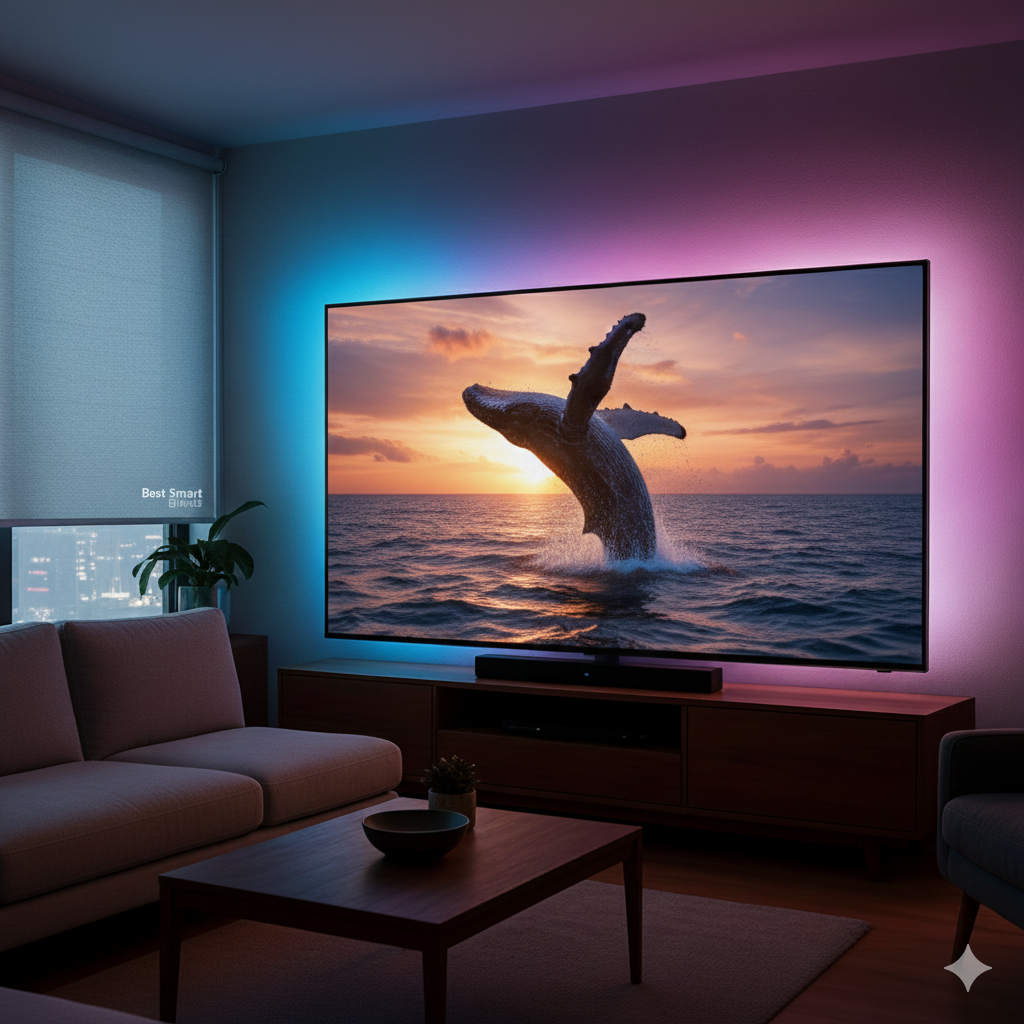
LED Bias Lighting
Bias lighting is a subtle light placed behind the TV to reduce eye strain.
Benefits include:
- Improved contrast perception
- Reduced eye fatigue
- More comfortable viewing in dark rooms
Smart LED strips allow you to adjust brightness and colors automatically.
Many models can sync with music, movies, and games.
Smart Plugs for Entertainment Systems
Entertainment systems often include multiple devices:
- TVs
- Soundbars
- Streaming boxes
- Gaming consoles
- Blu-ray players
Managing power for all these devices can become complicated.
Smart plugs simplify everything.
Benefits of Smart Plugs
Smart plugs allow you to control power remotely using a smartphone or voice command.
This means you can:
- Turn off devices when not in use
- Schedule automatic power shutdown
- Reduce standby power consumption
- Prevent overheating electronics
Some smart plugs also monitor energy usage.
Best Smart Plug Options
Popular smart plug brands include:
- TP-Link Kasa
- Amazon Smart Plug
- Wemo Smart Plug
- Meross Smart Plug
These plugs work with both Alexa and Google Assistant.
You can create automation like:
“When TV turns on → turn on soundbar and lights.”
Smart TV Backlighting Systems
Backlighting systems are becoming increasingly popular among home theater enthusiasts.
These systems place LED strips behind the television and sync the colors with what is happening on screen.
The result is a more immersive visual experience.
Popular TV Backlight Systems
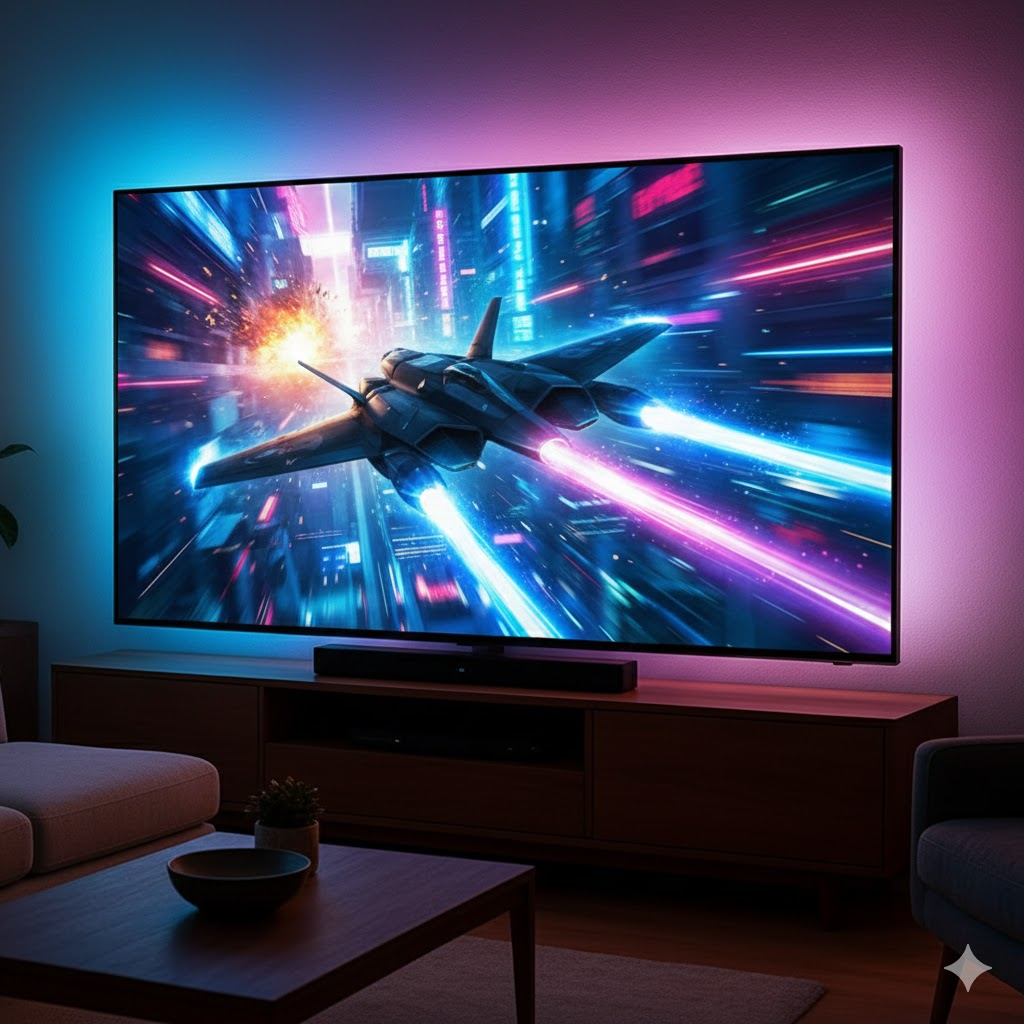
Some of the most well-known systems include:
- Philips Hue Play Gradient Lightstrip
- Govee TV Backlight
- Lytmi Neo Sync Box
These systems create ambient lighting that matches:
- Movies
- Games
- Sports broadcasts
This effect can make your TV appear larger and more immersive.
Smart Remote Controls
Many homes end up with multiple remote controls:
- TV remote
- Streaming device remote
- Soundbar remote
- Gaming console controllers
A smart remote can replace most of these.
Universal Smart Remotes
Universal remotes allow control of multiple devices from one interface.
Popular models include:
- Logitech Harmony series
- Sofabaton smart remotes
These remotes can control:
- TVs
- Soundbars
- Streaming devices
- Smart lights
- Home theater receivers
Some even support voice commands and smartphone apps.
Smart Home Hubs for Entertainment Systems
A smart home hub connects all your devices into one centralized control system.
Instead of managing devices separately, the hub coordinates everything.
Amazon Echo Hub
Echo devices often act as smart home hubs for Alexa-powered homes.
They can connect:
- lights
- smart plugs
- TVs
- streaming devices
Voice commands can then control multiple devices simultaneously.
Samsung SmartThings Hub
SmartThings is another powerful smart home ecosystem.
It connects with:
- Samsung TVs
- smart lights
- security devices
- appliances
Automation rules can create smart entertainment scenarios.
For example:
“Movie Mode”
- TV turns on
- Lights dim
- Soundbar activates
- Curtains close
Smart Curtains and Blinds
Glare from windows can ruin the TV viewing experience.
Smart blinds allow automated control of sunlight entering the room.
They can open or close based on:
- time of day
- sunlight intensity
- voice commands
This improves picture quality and viewing comfort.
Best Smart Blinds Options
Popular smart blind brands include:
- SwitchBot Curtain
- IKEA Fyrtur
- Lutron Serena
These systems integrate with major smart home platforms.
Smart Sensors for Automated Viewing
Smart sensors can detect motion or ambient light in the room.
This allows automatic adjustments.
Examples include:
- turning lights on when someone enters the room
- dimming lights when a movie starts
- turning off TV when no motion is detected
These small devices make the entertainment setup feel more intelligent.
Smart Home Automation Ideas for TV Setups
Once your devices are connected, automation can dramatically improve convenience.
Here are some powerful automation examples.
Movie Mode Automation
When you start a movie:
- TV turns on
- soundbar activates
- lights dim
- LED backlight turns on
- curtains close
This creates a cinematic atmosphere instantly.
Gaming Mode Automation
When a gaming console turns on:
- TV switches to game mode
- LED lighting changes color
- room lights dim
This creates a more immersive gaming environment.
Sleep Mode Automation
At night:
- TV turns off automatically
- lights dim slowly
- soundbar powers down
- smart plugs cut standby power
This reduces energy consumption.
Energy Efficiency Benefits
Smart homes are not only convenient but also energy efficient.
Smart devices help reduce electricity waste by:
- turning off idle electronics
- controlling lighting automatically
- managing standby power
Over time, this can reduce electricity bills.
Security Benefits
Smart home devices can also improve security.
Examples include:
- automatic lights when motion is detected
- remote monitoring through cameras
- smart door alerts while watching TV
This makes your home safer while maintaining convenience.
How to Build the Perfect Smart TV Ecosystem
If you want to upgrade your entertainment system step by step, follow this order:
Step 1: Start with a voice assistant speaker
Step 2: Add smart lighting or LED backlight
Step 3: Install smart plugs
Step 4: Upgrade to a soundbar
Step 5: Add automation rules
This gradual approach keeps costs manageable while improving your setup.
Common Mistakes to Avoid
Many people make simple mistakes when building smart home setups.
Avoid these issues:
Too many apps
Try to choose devices that work with the same ecosystem.
Weak Wi-Fi signal
Smart homes rely on stable internet connectivity.
Overcomplicated automation
Start simple before building complex routines.
Ignoring compatibility
Always check that devices support your voice assistant.
Future of Smart Home Entertainment
The future of smart TV ecosystems looks extremely exciting.
New technologies expected in the coming years include:
- AI-powered viewing recommendations
- voice-controlled entertainment environments
- fully automated home theaters
- advanced ambient lighting systems
- deeper smart home integration
Smart TVs will continue evolving as the central control hub for home entertainment.
Final Thoughts
Smart TVs are already powerful devices, but combining them with the right smart home products unlocks their full potential.
By adding voice assistants, smart lighting, smart plugs, and automation systems, you can create a fully connected entertainment environment that is more immersive, convenient, and efficient.
Even small upgrades like LED bias lighting or a smart plug can significantly improve your viewing experience.
If you want the ultimate modern living room setup, integrating smart home devices with your TV is one of the smartest upgrades you can make.