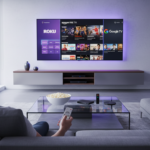
How Far Should You Sit From a 65 Inch TV – The Ultimate Viewing Distance Guide

When you’re setting up your home theater, one of the big questions everyone asks is how far should you sit from a 65 inch TV to get the most immersive, comfortable, and eye‑friendly experience. Get it right and every movie, sporting event, and binge session feels crisp and cinematic. Get it wrong and you might be straining your eyes, missing detail, or just feeling uncomfortable after watching for a while.
In this in‑depth guide, we’re breaking down everything you need to know about ideal viewing distance for a 65‑inch screen — from scientific recommendations to real‑world adjustments depending on your room, viewing habits, and content type.
Whether you’re a cinephile, gamer, or casual viewer, this is the essential resource to getting your setup just right.
What “Viewing Distance” Really Means
“Viewing distance” is simply how far your eyes are from your TV screen. It affects clarity, comfort, immersion — and even how much detail your brain can actually process from the picture.
The goal is to balance two things:
- Visual comfort: Preventing eye strain and fatigue.
- Picture clarity: Maximizing visible detail without making pixels obvious.
With 4K TVs becoming standard (even in mid‑range options), sitting closer won’t necessarily make things look fuzzy. But there is a sweet spot where your brain gets the richest visual experience without discomfort.
This concept applies to any TV size, but on a 65‑inch TV, that balance is especially important because of the size of the screen and how much of your field of vision it covers.
Recommended Viewing Distance for a 65‑Inch TV (Standard Guidelines)

Most experts agree that for a 65‑inch TV, the ideal viewing distance is calculated relative to screen size and resolution.
📏 Standard Formula
For a 65‑inch TV (measured diagonally):
- Optimal range: roughly 1.5×–2.5× the screen diagonal
- That puts your ideal seating between 8.5 ft and 14 ft
(≈ 2.6 m to 4.3 m)
This range gives a great balance between immersive viewing and clarity. If you’re closer than 8.5 ft, you might see visible pixel structure on a 4K panel depending on your eyesight and content resolution. If you’re farther than 14 ft, the visual impact feels smaller and details can be lost.
This 1.5×–2.5× rule is widely used by home theater designers and recommended by display tech guides like THX and SMPTE (Society of Motion Picture and Television Engineers). External sources like THX often use similar multipliers to ensure cinema‑level immersion. (See THX Viewing Distance guidelines)⇢ https://www.thx.com/
Why Viewing Distance Matters: The Science Behind the Numbers
👁️ Visual Acuity and Pixel Perception
Humans have a limited ability to resolve fine details. On a 4K screen, there are ~3840×2160 pixels — which means detail is high. If you sit too far, you’re not taking advantage of that resolution because your eyes can’t resolve everything.
Conversely, sit too close, and the brain starts noticing pixel structure rather than a smooth image — defeating the purpose of a high‑resolution display.
🎥 Field of View and Immersion

Filmmakers compose shots knowing that cinema screens fill a major portion of your vision. To recreate that effect at home:
- Softer immersion: sit near the lower end of the recommended range
- Cinematic immersion: sit closer to the upper end
This also matters for dynamic content like sports and gaming, where peripheral vision enhances experience.
👓 Eye Comfort
Studies show that sustained eye strain can occur if the screen is too close for the viewing distance or too bright compared to ambient light. Factors like lighting and contrast play into how comfortable your setup feels over longer sessions. While eye comfort is individual, guidelines like those from optometrists recommend not staring too close for too long — especially for high‑motion content.
How Far Should You Sit From a 65‑Inch TV for Different Use Cases
While the standard guideline gives a great starting point, your actual viewing distance might shift based on how you use the TV:
🎬 Movie Night

Movies are often shot in 24 fps and benefit from a more immersive field of view.
- Ideal: ~1.5×–1.8× screen size
- That puts you closer to the screen — around 8.5–10 ft
This puts more of your field of vision into the picture — great for cinema‑style watching.
Pro tip: Turn off harsh overhead lights and close blackout curtains to reduce glare and increase perceived contrast — enhancing immersion even more.
🏈 Sports Viewing

Fast motion and large‑scale visuals benefit from a slightly wider viewing distance.
- Ideal: ~2× screen size
- That’s 10–13 ft
This helps you follow fast motion without eye fatigue.
🎮 Gaming
Gamers usually sit closer to see HUD elements and fine details:
- Ideal: ~1.5× screen size
- Around 8–10 ft
Be cautious with ultra‑competitive gaming; being closer can be helpful for reaction but might strain eyes over long sessions.
📺 Everyday TV / Mixed Content
For typical mixed content (news, sitcoms, streaming):
- Middle ground: ~1.8×–2× screen size
- Around 10–12 ft
This gives a comfortable experience for most households.
Adjusting Viewing Distance Based on Resolution
📺 4K vs 1080p TVs
If your 65‑inch TV is 1080p (Full HD) instead of 4K (Ultra HD):
- Increase your viewing distance slightly
- Because the pixel density is lower
- Best range: ~2×–3× screen diagonal
- Around 11–16 ft
If it is 4K (which most 65‑inch TVs are by 2026), then you can lean closer without noticing pixel blur. 4K companies like Sony and Samsung design their panels to support closer viewing distances due to higher pixel density†external link⇢ https://www.rtings.com/tv/tests/visuals/viewing-distance
Measuring Your Setup: A Simple DIY Method

Wondering how far should you sit from a 65 inch tv based on your room right now? Try this quick method:
Step‑by‑Step Guide
- Measure your room’s length from wall to sofa.
- Multiply the TV diagonal (65″) by factors:
- ×1.5
- ×1.8
- ×2
- See where your couch naturally falls.
If the couch is closer than 8.5 ft or farther than 14 ft, consider adjusting furniture or using alternative placement — even a slight shift can meaningfully enhance experience.
Visual Example
Imagine a living room with a 65‑inch TV mounted:
- 8 ft: Great for gaming and immersive movie nights
- 10 ft: Balanced distance for mixed content
- 12–14 ft: Best for large family rooms where multiple viewers sit back
This range ensures every seat feels connected to the content without eye strain or losing clarity.
Does Screen Height or Angle Matter?
Yes! While the focus here is on viewing distance, angular viewing and TV height relative to eye level also matter.
📐 Tips for Placement
- The TV’s center should be roughly eye‑level when seated, not tilted upwards.
- If you mount higher, a slight downward tilt can help reduce neck strain.
- Avoid placing the TV attached to direct sunlight or intense overhead lighting — glare reduces visible detail.
Proper angle and distance — combined — make a dramatic difference. For accessory enhancements, you might also want to check out our guide on the Best Soundbars for Smart TVs to improve audio matching your viewing distance and setup. Best Soundbars for Smart TVs to Match Your Setup
Room Layout Tips to Complement Viewing Distance
Your layout plays a huge role in how you perceive distance. If you’re tight on space, here’s how to make the most of it:
🛋️ Small Rooms
- Place seating ~8–9 ft back
- Mount TV slightly higher but angled toward eye level
- Use soft lighting to reduce contrast with the screen
🏡 Large Rooms
- Use modular furniture so you can adjust seating
- If possible, angle seats inward toward screen for balanced viewing
- Use ambient lighting to reduce glare at farther distances
🛠 Audio & Acoustics
While this article focuses on viewing distance, don’t forget sound. Audiophiles often pair their TV with a soundbar or surround system — especially in larger rooms where sound can feel “thin” if the listener is farther away. Our Best Smart TVs and Soundbars pairing guide has great tips on optimizing both video and audio for your setup.
Common Mistakes to Avoid
Everyone setting up a 65‑inch TV has fallen into one of these simple pitfalls:
- Sitting too close for a big screen:
If you’re under the 8.5 ft sweet spot, eye strain and pixel awareness increase. - Mounting too high:
Causes neck strain over time; keep the center of screen at eye level. - Ignoring ambient light:
Glare washes out contrast, making details less visible at any distance. - Not leveraging screen resolution:
With 4K capable TVs, you can sit closer than older TVs — but there’s still a comfort limit.
FAQ: How Far Should You Sit from a 65‑Inch TV?
Q: Can I sit closer than recommended?
A: Yes — especially with a 4K TV. But staying within ~8.5 ft prevents overwhelming your eyes and losing clarity.
Q: Is farther better?
A: Too far and the screen feels smaller and less engaging. Try to stay within the 8.5–14 ft range.
Q: Does room brightness affect distance?
A: Bright rooms can wash out detail — consider darker ambient lighting for immersive viewing.
Q: What if I have a wall opposite the TV?
A: Avoid seating backing to bright windows; glare affects perceived picture quality at all distances.
Final Thoughts: Optimize Your Viewing
Understanding how far should you sit from a 65 inch tv isn’t just about numbers — it’s about comfort, immersive experience, and matching your setup to your lifestyle. Whether you’re building a dedicated home theater or just want a better Sunday football experience, tweaking your distance and placement can dramatically improve how you enjoy your TV.
Remember, the general sweet spot for a 65‑inch 4K TV is between roughly 8.5 ft and 14 ft. Tailor that to your room size, content type, and audience — and you’ll unlock cinema‑style viewing right at home.
If you’re still choosing a TV, check out our Best TVs under $500 guide for great large‑screen options that don’t break the bank. Top Smart TVs Under $500 in 2026 – Big Screen Value Picks
Enjoy the perfect view!